


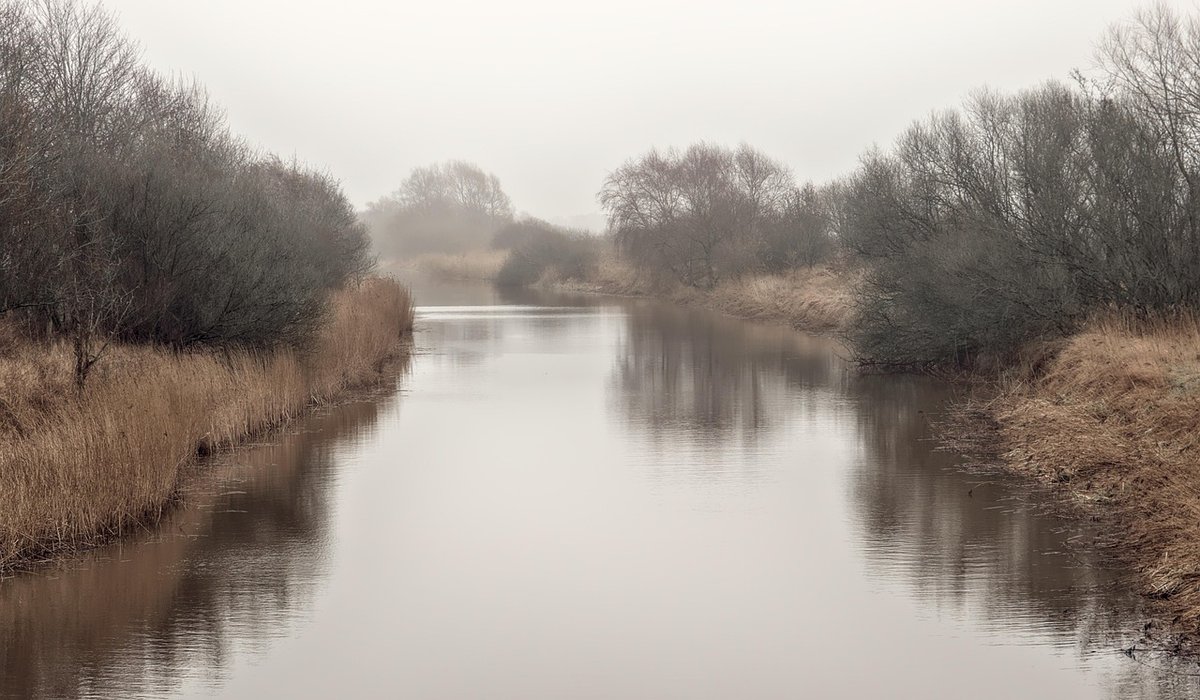
When the Brook Runs Low
By late July, many of our little streams have slipped into something quieter altogether. The bank that gurgled in April is now a chain of shallow pools linked by damp gravel, and the smell is of warm stone rather than cold water. It can feel alarming to watch, especially if you have walked the same stretch for years and know exactly which bend usually holds a flash of kingfisher blue.
Drought is a natural rhythm, and most of our native freshwater life is built to survive a dry summer. What it is not built for is a dry summer on top of abstraction, pollution, straightened channels and overheated banks. That is when a manageable low flow becomes a genuine crisis. The good news is that there is a surprising amount a single householder or regular walker can do, and almost all of it is gentle, cheap and slow.
Why Low Water Is Hard on Wildlife
As water levels drop, three things happen at once. Oxygen falls, because warm shallow water holds less of it and there is less of it to hold. Temperature rises, sometimes by several degrees in a single afternoon. And cover disappears, leaving fish, invertebrates and amphibians exposed to herons, mink and the full glare of the sun.
The casualties are often small and easily missed:
- Bullhead and stone loach, which shelter under stones and can be stranded when a pool shrinks to a puddle.
- Mayfly and caddis larvae, which need cool, moving water to complete their life cycles.
- Water voles, which rely on lush bank vegetation for food and cover and become dangerously visible when banks dry back.
- Dragonfly and damselfly nymphs, which can be trapped in pools that evaporate before they emerge.
- Frogs, toads and newts, which need damp refuges through the hottest weeks.
If you see fish gasping at the surface in a shrinking pool, resist the urge to move them. Relocating fish without a licence is usually illegal, can spread disease, and often does more harm than good. Report it to the relevant environment body instead, and let them decide.
Keep the Shade You Already Have
The single most valuable thing on a small stream is a tree. Alder, willow, ash and crack willow throw dappled shade across the water and keep it several degrees cooler than an open reach. They also drop insects, roots and leaf litter that feed the whole food web, and their roots hold banks together when the water finally returns.
So if you own or manage a stretch of bank, think hard before cutting. Light pruning of low branches overhanging a footpath is fine. Wholesale clearance in June or July is not. If you do need to open up a view, do it in late winter and keep at least half the canopy. On a hot day, that shade is the difference between a pool that holds trout fry and one that does not.
Where there are no trees, tall bank vegetation does much of the same job. Nettles, meadowsweet, hemp agrimony and reed canary grass shade the water's edge, shelter emerging insects and keep the soil beneath them cool and damp.
Water Stations That Actually Help
You cannot top up a stream, and you should not try. Tap water carries chlorine, a different temperature and sometimes disease, and a sudden flush of it can shock everything living in a shallow pool. What you can do is offer clean, cool water in safe places nearby.
- Use shallow saucers or plant pot bases rather than deep bowls, so hedgehogs, birds and amphibians can drink and climb out easily.
- Add a few flat stones as steps and perches, and a small piece of wood as a ramp.
- Refresh every morning with rainwater from a butt where possible, and rinse the dish rather than scrubbing it with detergent.
- Place them in shade, under a hedge or shrub, so the water stays cool and the visitors feel safe.
- Keep them low and quiet, away from where cats sit and away from busy paths.
Never put out bread, milk or sugary drinks. Plain water is the whole point. If you have a pond, keep a shallow margin clear of vegetation and top it up slowly with rainwater during dry spells, ideally in the evening.
Planting for a Drier Bank
Planting is slow work, but it pays for decades. Choose species that tolerate both winter wet and summer dry, and set them back from the water's edge so they do not need watering in.
- Meadowsweet and purple loosestrife for tall, insect-rich flowers.
- Yellow flag iris and water mint for the damp zone just above the waterline.
- Betony, selfheal and wild marjoram for dry upper banks and bees.
- Alder buckthorn and guelder rose for structure, berries and brimstone butterflies.
Mulch bare soil with leaf mould or compost to hold moisture, and leave a rough, untidy margin rather than a clipped one. Untidiness is habitat. A strip of long grass and fallen leaves beside a shrinking brook is worth more than any amount of tidying.
Slow Living, Slow Water
There is a quiet lesson in a drying stream. It asks us to do less, not more: to leave the shade standing, to leave the leaves down, to carry a jug of rainwater to a saucer each morning and then simply sit and watch. Spend twenty minutes by a low pool in August and you will see more than you expect — a dragonfly ovipositing into the last deep corner, a grey wagtail working the stones, a water vole slipping into a bank hole with a mouthful of grass.
Drought years will come again. Streams that keep their trees, their rough edges and their cool, shaded pools come back fastest when the rain returns. Helping them through the dry weeks is not complicated work. It is patient work, and it belongs to exactly the kind of slow countryside living this blog is about.


Leave a reply