


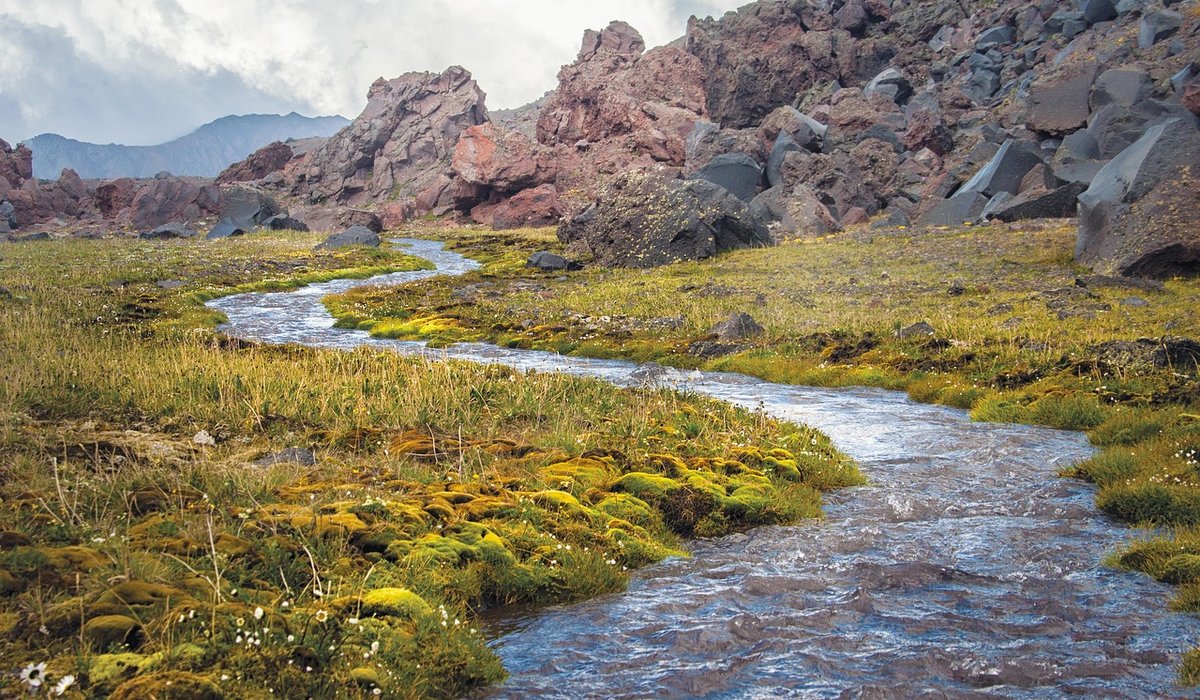
There is a particular kind of afternoon that only a brook can offer: the low churr of water over stones, the hiss of a breeze through alder leaves, and the quiet business of looking closely at the green things growing at your feet. Our waterways are among the richest strips of habitat in the UK, and for the slow-living forager they offer a modest, seasonal larder. What they also offer, if you are careless, is liver fluke, hemlock water dropwort and a mouthful of agricultural runoff. So let us do this properly, with respect and a good field guide.
Before You Pick a Single Leaf
Two rules govern everything that follows. First: never eat a wild plant unless you are certain of its identification, not fairly sure, not "it looks about right". Second: never pick from water you would not let a dog drink from. In the UK, foraging for personal use is generally lawful where there is a right of access, but you should seek the landowner's permission on private land, and leave Sites of Special Scientific Interest, nature reserves and protected species strictly alone. The Wildlife and Countryside Act protects certain plants outright, and in practice that means: look, photograph, learn, and take home a very small amount or nothing at all.
Gentle Edible Plants for a Beginning Forager
Start with plants that announce themselves loudly. Each plant below has a strong scent or taste that confirms it, which is the safest way to learn.
- Water mint grows with its roots in wet soil, often where the bank flattens. Square stem, paired leaves, and a wonderful peppermint aroma when you crush a leaf. Use the young leaves in teas or with new potatoes.
- Wild garlic (ramsons) carpets damp woodland alongside streams in spring. Broad soft leaves, white star flowers, and the whole plant reeks of garlic. Always crush and smell it before picking, as lily of the valley and autumn crocus grow nearby and are poisonous.
- Watercress is unmistakable in taste, with its hollow stems and clusters of small white flowers on running water. Cook it, always. Raw wild watercress can carry liver fluke, a parasite associated with water grazed by sheep and cattle. A brief blanch in boiling water sorts this out.
- Stinging nettles are not glamorous, but young tops picked in spring make a fine soup once blanched. Wear gloves and take only the top four leaves.
- Meadowsweet fills damp meadows and riverbanks with a sweet almond scent from frothy cream flower heads in summer. It contains salicylates, so a gentle tea is traditional for upset stomachs and aching joints, but avoid it if you react to aspirin.
Roots and Slower Medicines
Traditional waterway medicine is often about roots and rhizomes, and this is precisely where beginners should be most cautious, for two reasons. Digging damages fragile bank habitats, and several toxic plants have roots that look disturbingly similar to edible ones.
Reedmace (bulrush) offers edible young shoots in spring and starchy rhizomes, while silverweed has a pleasant parsnip-flavoured root. Both are lovely things to know about and poor things to harvest on any scale. Handle comfrey as medicine rather than food: its leaves make a traditional poultice for bruises, but it contains pyrrolizidine alkaloids and should not be eaten. Marsh mallow, despite the name, is now rare in Britain and should be admired, not collected. Unless you own the land, leave roots in the ground.
Deadly Lookalikes You Need to Know
This is the section worth reading twice.
- Fool's watercress resembles watercress but grows in mud and sluggish ditches rather than fast running water. It is an umbellifer with white umbels of flowers and pinnate leaves, and it is toxic. Genuine watercress grows in flowing water and tastes hot and peppery.
- Hemlock water dropwort is considered the most poisonous plant in Britain. It smells of parsley or celery when bruised, has umbels of white flowers, and grows on wet ditches and stream banks. Its roots are fatal in small quantities. Never handle it, never dig near it.
- Yellow flag iris grows in the same wet ground as reedmace. Its rhizome is poisonous, and its leaves are flatter and stiffer than bulrush shoots.
If you are not completely certain, walk on. There is always another season, and no forage is worth a hospital trip.
Pollution, Parasites and Clean Water
Waterways collect everything from the land around them. Avoid harvesting downstream of old mine workings, industrial sites, busy roads, sewage outfalls or intensively farmed fields where runoff may carry pesticides and nitrates. Slow, warm water in late summer can host blue-green algal blooms, which are toxic; if the water looks like green paint, leave it alone.
Never pick from stretches used heavily by dogs or livestock. Wash everything you bring home in fresh cold water, cook leafy greens rather than eating them raw, and wash your hands thoroughly afterwards. Keep a note in a small book of where and when you picked something, so you can return to a good spot and avoid a bad one.
Foraging as Slow Living
The real pleasure of this is not the basket. It is learning one brook properly over a year: where the water mint first shows in May, which bank the meadowsweet prefers, how the watercress tastes after rain. Carry a decent regional flora, a small knife, a cloth bag that lets leaves breathe, and a pair of gloves. Take a little from many plants rather than everything from one. Kneel down, look at the water, listen, and leave the bank better than you found it.
Then go home and make a cup of water mint tea, and let the afternoon settle. That, more than anything you carry back, is the harvest.


Leave a reply