


Why a pond beside a brook is worth the effort
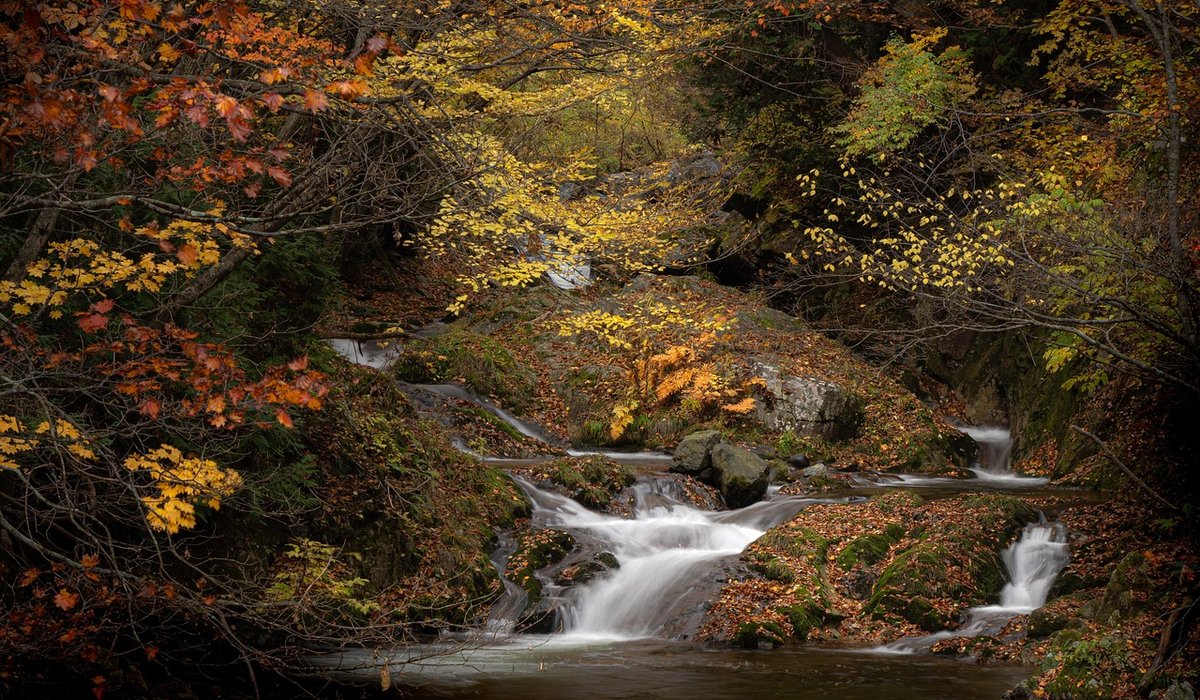
A garden brook is already a living thread through the landscape. It carries water, insects, seeds and the quiet promise of the wider countryside. Add a wildlife-friendly pond beside it and you create something richer still: a place where frogs can breed, newts can shelter and dragonflies can hunt. The pond does not need to be large. A modest hollow, lined and planted with care, can become the busiest corner of the garden. It also helps to slow rainwater runoff, holding back the sudden flush that would otherwise rush straight into the brook and on towards the nearest river.
Choosing the right spot and keeping the brook clean
Watch your garden through a wet winter before you dig. You want a spot that sits above the brook’s flood level, so the pond is not scoured out or polluted by dirty water. A position in sun for at least four to six hours a day suits frogs, newts and dragonflies, but some shade at one end will keep the water cooler in summer. Keep a buffer of rough grass, sedge or shrubs between pond and brook. That strip filters runoff and gives wildlife a safe corridor.
Do not connect the pond directly to the brook. A direct link can spread invasive plants, silt and nutrients, and it may need consent from your lead local flood authority. Treat the pond as a separate, rain-fed feature and let any overflow seep slowly through grass or gravel. If you are unsure whether your brook is an ordinary watercourse, check before altering banks or flows. A little caution now protects the brook later.
Digging a pond that suits wildlife
Aim for a centre about 60–90 centimetres deep, with one or two shallow shelves around 20–30 centimetres below the surface. These shelves are where frogs spawn and where marginal plants will thrive. Slope at least one side gently to make a shallow beach. Line the hollow with a good-quality butyl or EPDM liner over a geotextile underlay, then soften the edges with turf, stones and pebbles.
Add a wildlife ramp: a strip of rough stones, turf or coarse gravel leading from the water to dry land. Hedgehogs, frogs and beetles all need a way out. On the brook side, build a low lip or berm so floodwater cannot easily enter. For overflow, create a shallow gravel-filled channel or grassy spillway that leads into a rain garden or border, not straight into the brook. Never stock the pond with fish. Fish eat tadpoles, newt larvae and dragonfly nymphs, and they turn clear water cloudy.
Planting for frogs, newts and dragonflies
Plant in layers, using native species where you can. Native plants support far more insects, and they settle into UK conditions without needing fuss.
- Marginals: marsh marigold, water forget-me-not, brooklime, water mint and ragged robin.
- Emergents: yellow flag iris and flowering rush, but keep them in baskets if they spread too eagerly.
- Oxygenators: hornwort and water starwort, which shelter tadpoles and newt eggs.
- Floating cover: a little frogbit or water lily, leaving open water for dragonflies to patrol.
Avoid invasive plants such as floating pennywort, water fern and parrot’s feather. They can escape into the brook and cause real harm. Around the pond, leave a log pile, a stone heap and some long grass. Frogs will use them as damp refuges, and dragonflies will perch on warm stones and dead stems.
Slow water, filter runoff and build a living edge
This is where the pond earns its keep beside a brook. Instead of letting roof water or patio runoff race into the watercourse, guide it gently into a shallow swale or rain garden. A planted depression of tussocky grasses, soft rush and lesser spearwort will slow the flow, trap silt and let water soak away. From there, a trickle can enter the pond through a pebbled inlet.
The pond then acts like a small sponge. It holds back the first flush of a storm, allowing sediment and nutrients to settle instead of smothering gravel spawning beds downstream. Plant the edges thickly with moisture-loving perennials and leave the grass long. The rougher the edge, the more useful it is to wildlife and the better it slows water. In a heavy downpour, any overflow should leave the pond clear and cool, not as a muddy torrent.
Gentle maintenance through the year
In spring, rake out excess blanket weed or duckweed and leave it on the bank for a day so creatures can crawl back. Never remove frogspawn or newt eggs. In summer, top up with rainwater from a butt rather than tap water, which carries nutrients and chlorine. If the water level drops, let the pond breathe; a little seasonal variation is natural.
In autumn, net or rake fallen leaves if they are smothering the pond, but leave some seedheads and stems standing. In winter, do not smash ice; it can kill frogs resting below. Float a gentle heat source or a ball to keep a small opening if you must. Cut back old growth in late spring, not autumn, so invertebrates can overwinter in the hollow stems. Then make a cup of tea, sit quietly and watch. The pond will teach you the pace of the countryside: slow, patient and full of small, bright lives.


Leave a reply