


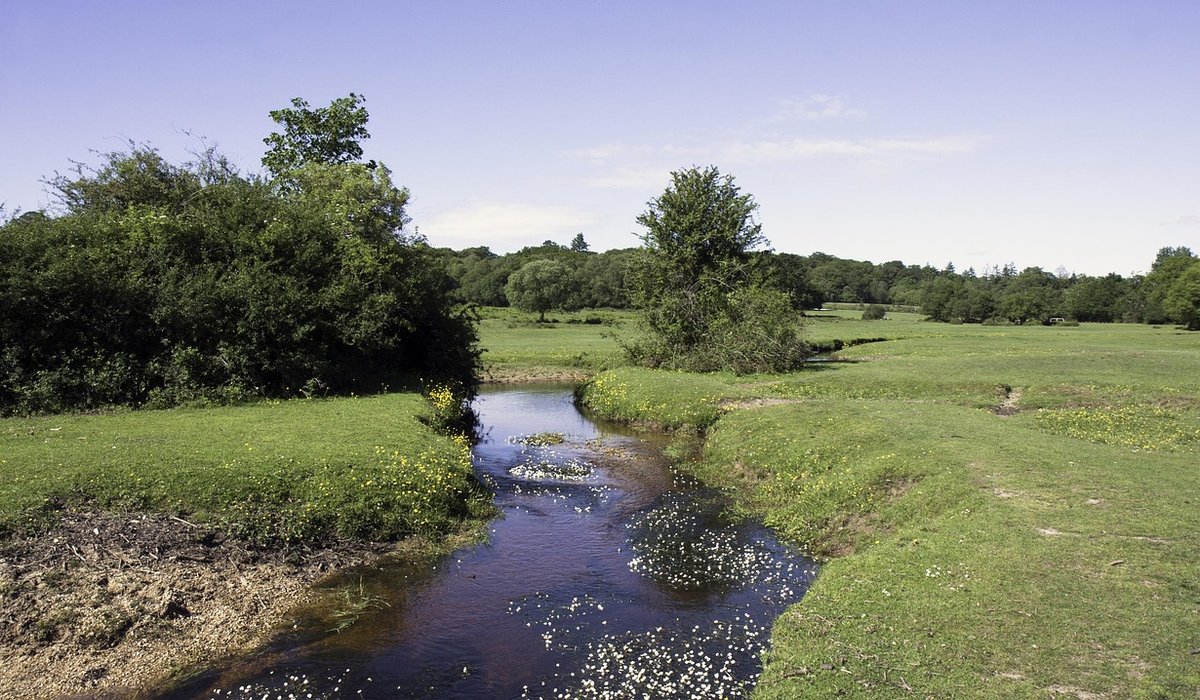
Why a Brook Rewards a Journal Keeper
Stand at the edge of any small English brook for ten minutes and you will see something worth writing down. A dipper bobbing on a mid-stream stone. The way the current splits around a fallen alder branch. A sudden tea-coloured flush of silt after rain somewhere upstream. None of it stays put for long. A nature journal is simply a way of catching what you would otherwise forget, and of noticing how one season leans into the next at the water's edge.
You do not need to be a naturalist to begin. You need a routine, a decent pencil and one stretch of water you visit often enough to know properly. A quarter of a mile of brook is plenty. The slower you go, the more there is to record.
The Kit That Actually Works
Water and paper are enemies, so keep things simple and cheap enough that a soaking does not matter.
- A small waterproof notebook, roughly A6, that fits a coat pocket
- A 2B pencil rather than a pen — graphite writes on damp paper and does not run
- A short tape measure, or a stick with depth marks cut into it
- A phone for photographs, with location tagging switched off if you would rather not be traced
- Gloves you can actually write in, plus a sit mat or folded bin liner for wet banks
Add a small hand lens if mosses and water beetles appeal. Everything else is optional, and a heavier bag is a bag you will stop carrying by February.
Recording the Water Itself
Most people start a nature journal with birds and forget the water. The water is the story. Fix a reference point on your first visit — a notch cut in a wooden post, a particular stone, a painted mark on a bridge footing — and note the level against it every time. Consistency matters far more than precision.
Record the date, the time, the weather, the air temperature and, if you carry a thermometer, the water temperature. Then a few words on colour and clarity: gin-clear, peat-stained, milky after rain, carrying leaf litter. Note the flow — steady, sluggish, in spate. If the brook has flooded, look for the tideline of grass and twigs caught in the bankside vegetation and mark its height. Over a year, those small notes build a portrait no field guide can give you.
Spring and Early Summer
This is the busiest stretch of the year, and the entries write themselves. Note firsts: the first brimstone, the first mayfly, the first banded demoiselle holding territory on a nettle leaf. Record when the alder and willow come into leaf, and when brooklime and water forget-me-not begin flowering along the margins.
Look for birds working the water rather than the air. Dippers nest early, often under a bridge or a mill weir, and a grey wagtail is a good sign of clean, fast water. If you see a kingfisher, resist writing only "kingfisher" — note the direction it flew, the perch it used, whether it dived. Repeat sightings at the same perch tell you far more than a tick on a list ever will. Heron footprints in soft mud are worth sketching, as are the tracks of deer coming down to drink at dusk.
High Summer to Autumn
As the brook drops, the journal changes character. Low water exposes gravel, silt, roots and old brickwork. Sketch the bank profiles you can suddenly see, and note where the flow narrows or widens. This is the season for invertebrates: caddis cases glued to stones, damselflies in the margins, the first signal crayfish if the water runs that way.
Autumn brings leaf fall and the first proper flood. Record the date the first leaves land on the surface and how long they take to move through your stretch. Note the arrival of redwings and the return of wagtails to the shallows. After heavy rain, go back the next morning and make a "before and after" entry: what moved, what was scoured, what new gravel bar appeared overnight. The brook redraws itself every winter, and your notes are the only record of the shape it used to be.
Winter, and the Slow Pleasure of Returning
Winter entries are short and often grey, and that is perfectly fine. Cold hands make for brief notes, so concentrate on the essentials: level, colour, temperature, and wildlife either seen or conspicuously absent. Otter spraint on a flat stone. A mink track in the mud. A flock of siskins in the alders. Ice fringing the margins. The odd, muffled silence that settles after snow.
Then comes the reward. Read back to last January and you will spot patterns you could never have guessed: the brook runs low during a hard frost, floods three days after a named storm, warms by two degrees by mid-April. You will know when the dippers start building, when the mayfly hatch peaks, and which bend is always first to dry out in a dry summer.
That is slow countryside living at its best. Not a project, not a survey, not something to finish — just one person, one brook and a pencil. Twenty minutes a week, all year round, and you will end up knowing a small piece of water better than almost anyone else alive.


Leave a reply