


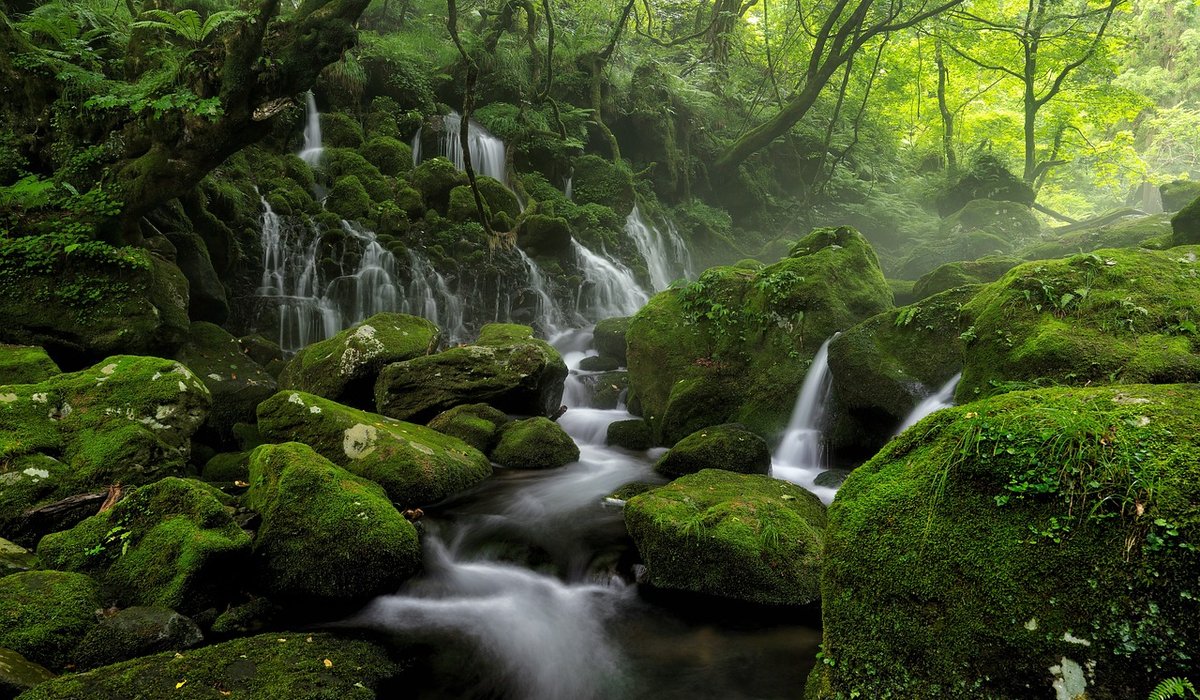
Why Watercress Still Feels Like a Small Miracle
There is something quietly wonderful about kneeling by a clear, chattering brook in late spring and spotting that familiar carpet of dark green leaves trailing across the shallows. Watercress has grown wild along British streams for centuries, and for good reason — it loves cold, oxygen-rich, fast-moving water. For the slow-living forager, it is one of the most rewarding finds in the countryside: peppery, abundant and free, provided you know exactly where and how to gather it.
But watercress is also one of the few wild foods that genuinely demands caution. It grows in water, and water carries whatever the land around it carries. This is not a plant to grab first and ask questions later. Approach it with respect, and it will reward you handsomely.
Choosing the Right Stream
The single most important rule of watercress foraging is this: only ever pick from water you would be happy to drink. That sounds strict, and it is. Watercress is a semi-aquatic plant, and its leaves and stems sit in the flow, drawing up and holding whatever the stream contains.
Look for a stream that is:
- Fast-flowing and clear, with visible gravel or stones on the bed rather than silty brown murk.
- Uphill from any livestock. Sheep and cattle pastures above a stream are a red flag — animal waste is one of the main sources of contamination.
- Far from roads, drains and built-up areas. Runoff from tarmac, housing and industry has no place in your salad.
- Well away from sewage outfalls, farmland spraying and any signs of foam or discolouration.
If the water smells at all odd, or looks dull, or you simply cannot work out where it has come from, walk away. There is always another brook.
The One Danger You Must Not Ignore
Wild watercress can carry liver fluke, a parasite whose larvae live in water snails and encyst on aquatic plants. In humans it can cause serious illness. This is not a rare, far-fetched concern — it is the reason watercress sold commercially is grown in clean, controlled beds rather than gathered from any old ditch.
The practical answer is straightforward: never eat wild watercress raw. Cooking it thoroughly kills the parasite and any bacteria present. A quick blanch in boiling water, a turn in a hot pan with butter, or a stir through soup is all it takes. You lose a little of the famous peppery punch, but you keep your health, which is a fine trade.
If you want the fresh, raw taste, the safest route is to grow your own from cuttings in a clean water butt or pot — but that is a project for another day.
How to Harvest Kindly
Once you have found a stream you trust, pick with a light hand. Watercress regrows quickly, but only if you leave it something to regrow from.
- Take only the top few inches of each stem, pinching just above a leaf joint. This encourages bushy regrowth.
- Never pull up roots or strip a whole patch bare. Leave at least two-thirds of any clump standing.
- Pick from the fastest-flowing sections, where the water is cleanest and the plants least likely to sit in stagnant pockets.
- Avoid plants growing right at the water's edge where animals drink and wade — mid-stream is usually better.
- Use clean hands or scissors, and carry your harvest in a cloth bag or basket so it can breathe.
Take a modest amount. A couple of generous handfuls is plenty for a family meal, and leaving the rest means the patch — and the wildlife that depends on it — carries on thriving.
Washing, Preparing and Cooking
Back in the kitchen, treat your harvest as though it has been in a muddy river, because it has. Rinse it several times in fresh cold water, discarding any yellowing leaves, grit or stray water snails. A large bowl of water and a gentle swish will do more good than blasting it under a tap.
Once washed, cook it properly. Good ways to enjoy wild watercress include:
- Stirred into a hot soup in the final minute, where it wilts and keeps its colour.
- Briefly blanched, then tossed with butter and a little nutmeg as a side vegetable.
- Folded through mashed potato or a frittata.
- Blended into a peppery sauce for fish.
Use it within a day or two, and keep it cool until then. Cooked watercress does not keep well, so prepare only what you need.
Slow Living, Taken Gently
Foraging is not really about filling a bag. It is about learning one stream well — noticing how it runs after rain, where the kingfisher flashes past, which bends catch the morning light. Watercress is simply the excuse to stand there a while longer, knees damp, listening to the water.
Gather a little, cook it well, and leave the rest for the moorhens and the mayflies. That is the whole of the craft, and it is a lovely one to keep.


Leave a reply