


Why Fallen Wood Matters More Than It Looks
There is a lingering instinct, when we look at a stream, to want it tidied. Fallen branches look like debris; a jam of logs looks like neglect. In truth, deadwood is one of the most valuable features a small river or brook can hold. A single submerged branch does work that no amount of clearing up can replace: it slows the flow, traps leaf litter, shelters fish, feeds invertebrates and gives birds somewhere to perch and hunt.
In a natural stream, deadwood arrives constantly — a bank undercut here, a storm there, an ageing alder finally letting go. Left alone, it accumulates in bends and behind boulders, forming the tangled, living structure that generations of wildlife have evolved alongside. When we remove it, we remove the architecture.
Shelter and Feeding Stations for Fish
For fish, wood is cover, and cover is survival. Brown trout — particularly the older, cannier fish — will hold station beside a sunken log, using it as a break from the current and a shield from herons and otters. Smaller fish such as minnows and bullheads crowd into the gaps beneath roots and branches, and juvenile lampreys bury themselves in the soft sediment that gathers behind woody debris.
Deadwood also feeds fish both indirectly and directly. The surfaces of submerged timber grow a film of algae, bacteria and fungi, grazed by invertebrates, which are in turn eaten by fish. Some species nibble the wood itself, breaking it into fragments that other creatures filter from the water.
Then there is the hydraulic benefit. A log lying across a channel pushes water sideways, scours a pool downstream and creates a pocket of slack water upstream. That variety of pace — riffle, run, pool — is what makes a stream productive, and wood is one of the cheapest, most natural ways to create it.
A Nursery for Invertebrates
If you want to know how healthy a stream is, look at what is clinging to its wood. Caddis larvae, mayfly nymphs, stoneflies and freshwater shrimp all colonise submerged branches, often at far higher densities than they reach on clean gravel alone. The reason is simple: wood is a stable, long-lasting surface, full of crevices, and it catches the leaves and silt that feed them.
Soft, fast-rotting species such as alder and willow are particularly good, breaking down within a decade and releasing nutrients as they go. Oak and other dense timbers can persist for decades, providing a slow, steady habitat that survives floods which would wash gravel clean away.
That abundance of invertebrates is the foundation of everything else. It feeds the fish, it feeds the birds, and it lifts a stretch of water from merely pleasant to genuinely rich.
Perches, Nest Sites and Riverbank Birds
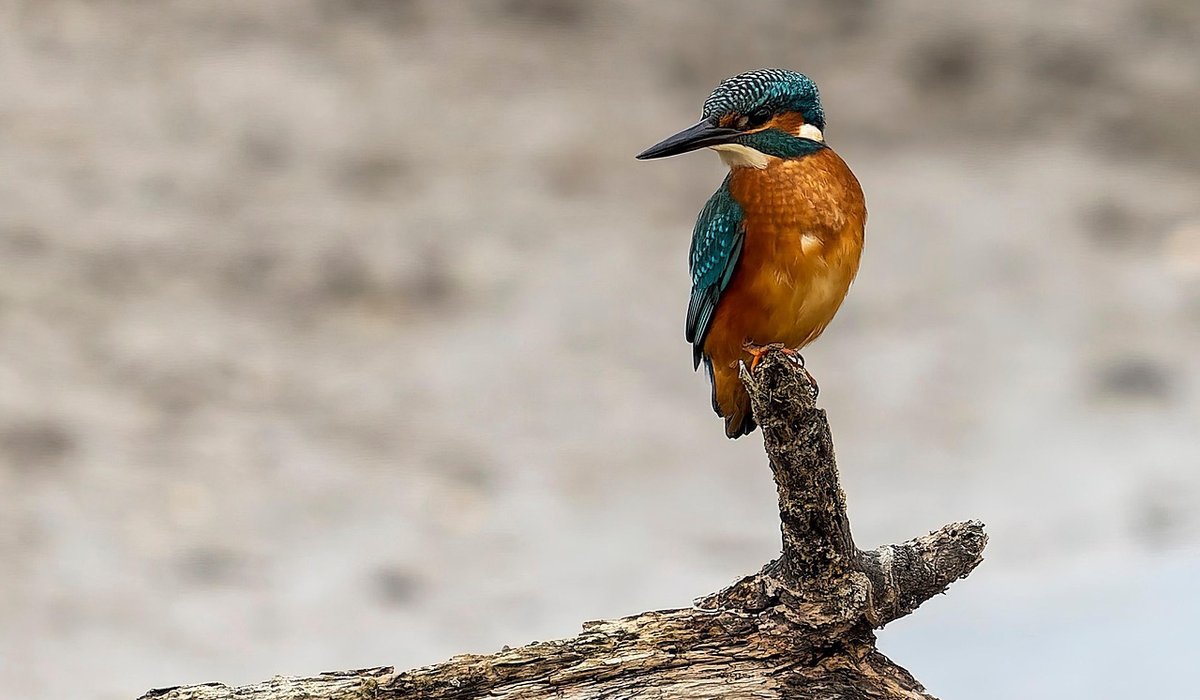
Deadwood is not only a habitat underwater. A branch jutting out over the current becomes a fishing perch for kingfishers, which need a clear line of sight and a clean drop into the water. Grey wagtails and common sandpipers pick their way along fallen trunks, hunting insects on the damp surface. Dippers use boulders and logs as launching points before walking straight into the current.
Herons will hunt from a stranded log, and otters regularly leave spraint on prominent, exposed timber, using the wood as a marker in their territory. Wrens, robins and tits forage through the tangle of roots and dead branches on the bank, where insects shelter in damp, dark crevices. Leave a fallen tree in place on the bank and it becomes a whole small ecosystem in its own right.
How Deadwood Shapes the Channel
Wood does not simply sit in a stream; it changes it. A trunk that lodges at a bend will deflect the current into the bank, carving out a pool and creating the undercut where kingfishers and sand martins nest. Debris jams slow flood flows, spreading water onto the floodplain where it is stored and filtered rather than rushed downstream.
This is why removing wood can be counterproductive. A cleared channel carries its energy downstream faster, cutting into banks and sending silt and nutrients on to cause problems elsewhere. Wood creates the messy, braided, pool-and-riffle complexity that makes a stream resilient to drought and flood alike.
Living With Deadwood: A Few Practical Notes
For anyone lucky enough to look after a stretch of water, the guiding principle is simple: leave well alone wherever you safely can. A few practical points:
- Do not tidy fallen branches out of the channel unless they pose a genuine flood risk or block a culvert, bridge or ditch.
- If clearance is unavoidable, leave the cut lengths along the bank rather than carting them away — they will feed the stream as they decay.
- Never move wood between different rivers or catchments; disease and invasive species travel easily on damp timber.
- Where you want to add wood deliberately, pin or stake it in place so it stays put at high flows rather than being swept into a structure downstream.
- Prefer native species from local sources — alder, willow, oak, ash — and avoid treated timber, which can leach chemicals into the water.
Sit beside a good stream for an hour and you will notice that life clusters around the wood: a trout rising near a sunken branch, a dipper bobbing on a log, wagtails flitting between roots. Deadwood is not mess. It is the quiet machinery of a living brook, and it costs nothing but restraint to keep it there.


Leave a reply